head logoA Singapore Government Agency Website
Building
Official website links end with .gov.sg

Government agencies communicate via .gov.sg websites (e.g. go.gov.sg/open). Trusted websites

Lock
Secure websites use HTTPS

Look for a lock (Lock) or https:// as an added precaution. Share sensitive information only on official, secure websites.
ACM logo header
  • Galleries

    Galleries

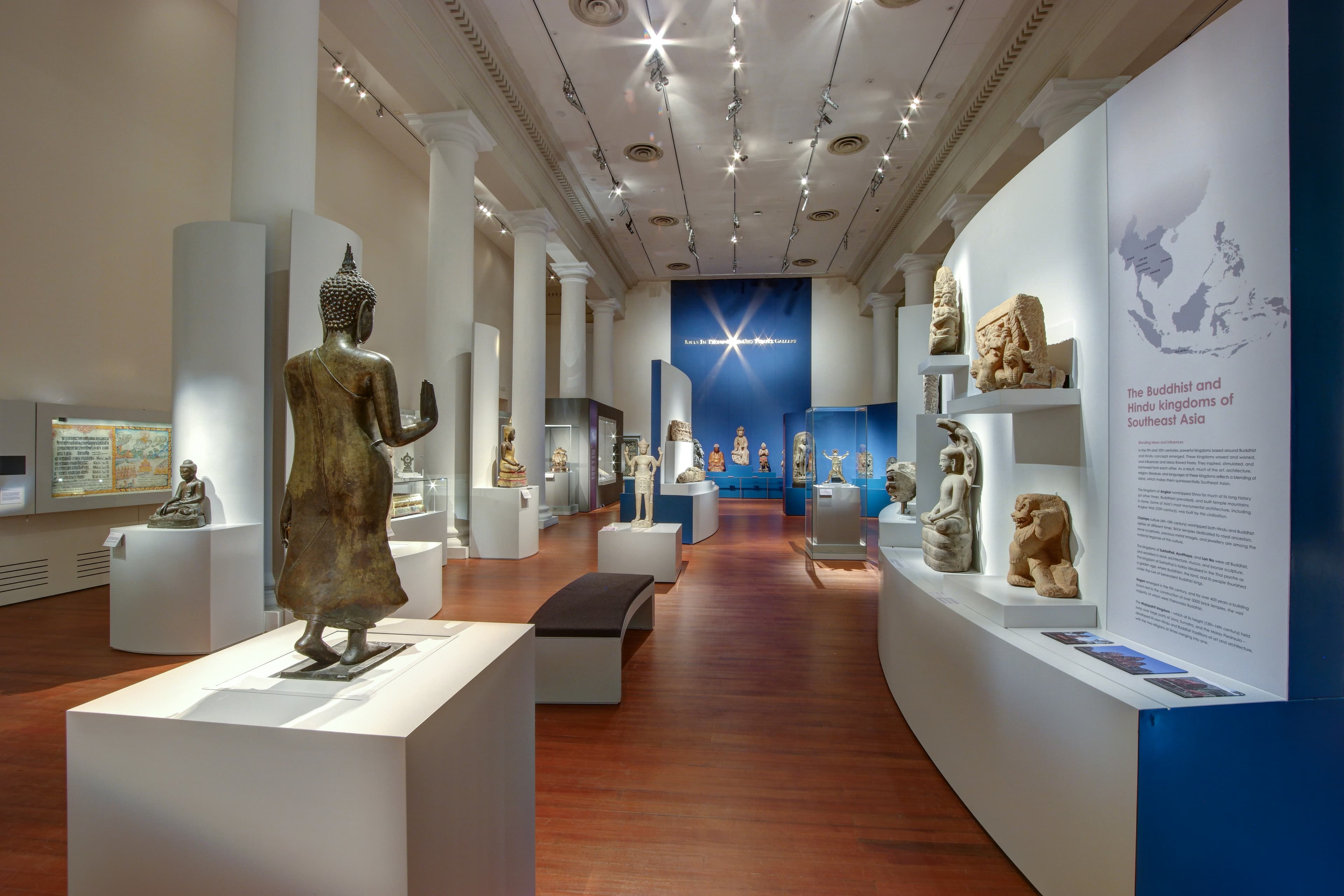
    ACM's permanent galleries celebrate Asian imagination, craft, and aesthetics through three broad cross-cultural and pan-Asian themes.
    • All Galleries

      All Galleries

    • Maritime Trade

      Maritime Trade

    • Faith and Belief

      Faith and Belief

    • Materials and Design

      Materials and Design

    • All Galleries
    • Maritime Trade
    • Faith and Belief
    • Materials and Design
  • ACM Online

    ACM Online

    Find out more about the museum and our objects from wherever you are

    • View All

      View All

    • Videos

      Videos

    • Virtual Tours

      Virtual Tours

    • Learning Resources

      Learning Resources

    • Collection

      Collection

    • Publications

      Publications

    • View All
    • Videos
    • Virtual Tours
    • Learning Resources
    • Collection
    • Publications
  • What's On

    What's On

    • View All

      View All

    • Exhibitions

      Exhibitions

    • Guided Tours

      Guided Tours

    • Lectures & Seminars

      Lectures & Seminars

    • Programmes

      Programmes

    • View All
    • Exhibitions
    • Guided Tours
    • Lectures & Seminars
    • Programmes
  • Visit

    Visit

    • Plan Your Visit

      Plan Your Visit

    • Admission Prices

      Admission Prices

    • Group Visits

      Group Visits

    • Schools & Educators

      Schools & Educators

    • In-Museum and Digital Guided Tours

      In-Museum and Digital Guided Tours

    • Eat, Drink and Shop

      Eat, Drink and Shop

    • Visitor Tips

      Visitor Tips

    • Accessibility & Services

      Accessibility & Services

    • Plan Your Visit
    • Admission Prices
    • Group Visits
    • Schools & Educators
    • In-Museum and Digital Guided Tours
    • Eat, Drink and Shop
    • Visitor Tips
    • Accessibility & Services
  • Get Involved

    Get Involved

    • Become a Volunteer

      Become a Volunteer

    • Make a Gift

      Make a Gift

    • Object Donation and Bequests

      Object Donation and Bequests

    • Our Donors

      Our Donors

    • Become a Volunteer
    • Make a Gift
    • Object Donation and Bequests
    • Our Donors
  • About ACM

    About ACM

    • Who We Are

      Who We Are

    • Our Advisory Board

      Our Advisory Board

    • Who We Are
    • Our Advisory Board
  • Contact Us

    Contact Us

    • Enquiries

      Enquiries

    • Feedback

      Feedback

    • Venue Hire

      Venue Hire

    • Enquiries
    • Feedback
    • Venue Hire
Buy Tickets
acm logo header
  • Youtube
  • Peatix
Managed bynhb-logo-heritage-board

Receive email newsletters from ACM to stay ahead of upcoming exhibitions, programmes and promotions

Receive email newsletters from ACM to stay ahead of upcoming exhibitions, programmes and promotions

  • Contact Us
  • Venue Hire
  • Feedback & Enquiries
Managed bynhb-logo-heritage-board
  • Report Vulnerability
  • Privacy Statement
  • Terms of Use
  • Legal
©2026, Government of Singapore Last Updated on 25 Feb 2026

Keep up to date with all our museums!


Select All
  •  
  •  
  •  
  •  
  •  
  •  
  •  
  •  
  •  
  •  
  •  

About Us

Who We Are

<h1>About Us</h1>

Understanding Asia Through Singapore

As the only museum in Asia with a pan-Asian scope, ACM is devoted to exploring the rich artistic heritage of Asia through our outstanding collection of masterpieces, and through ground-breaking special exhibitions. ACM focuses on the many historical connections between cultures and civilisations in Asia, and between Asia and the world.

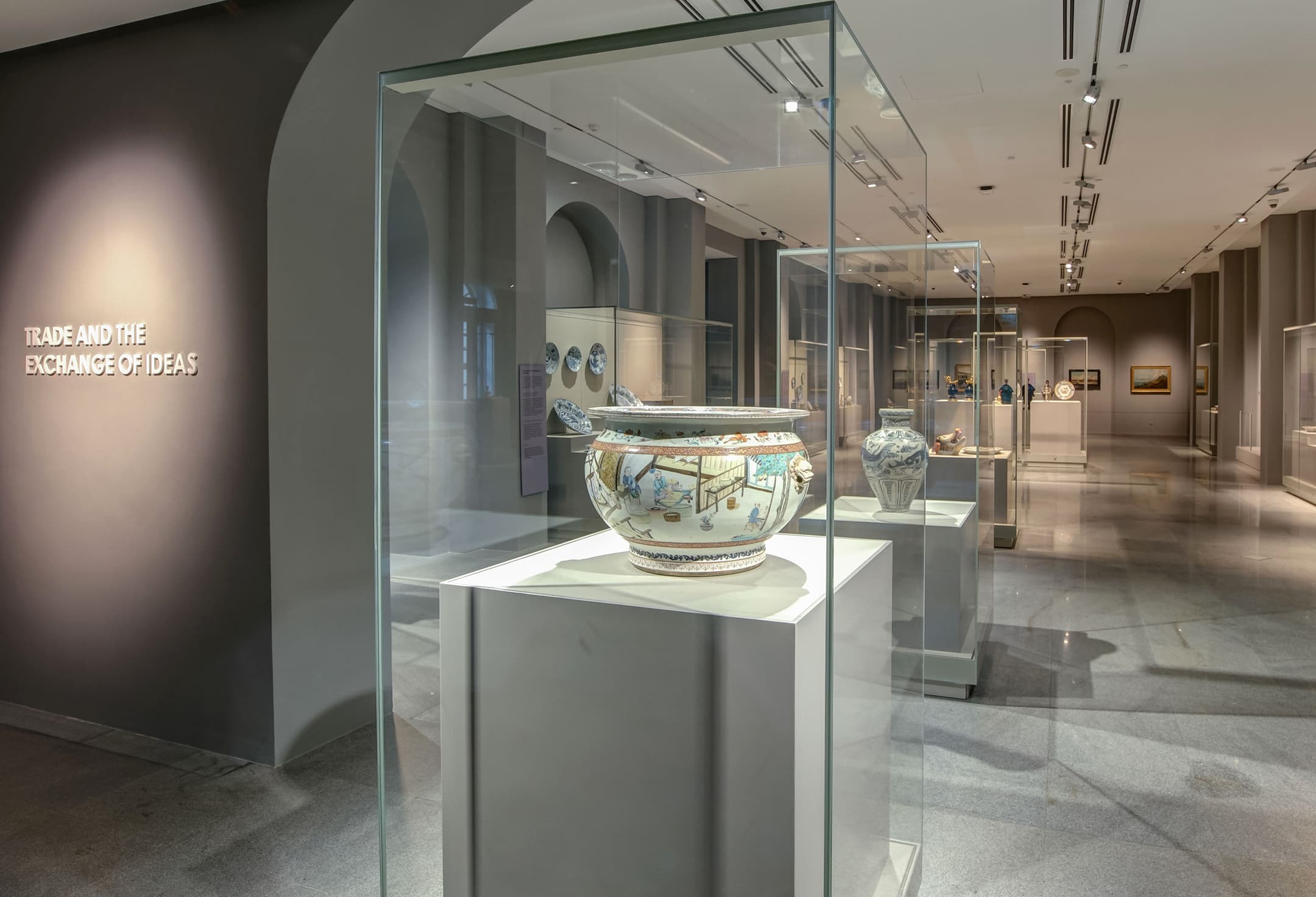
Singapore’s history as a port city that brought people together from all over the world is used as a means of examining the history of Asia. Objects on display tell stories of the trade and the exchange of ideas that were the result of international commerce, as well as the flow of religions and faith through Asia.

Collection

The ACM’s collection began with objects from the colonial Raffles Library and Museum. The major part was ethnological materials collected in Southeast Asia – essentially examples of the crafts, tools, weapons, utensils, and costume of the Malay and other indigenous Southeast Asian cultures. There was also a small collection of Chinese objects.

Collections in new areas were started in the 1990s: West Asia/the Islamic world and South Asia, so that the ACM could fulfill its mission to highlight the roots of Singapore’s different ethnic groups in the various cultures and civilisations of Asia.

ACM has since grown through acquisitions, donations, and loans from organisations and private individuals. The collection is now one of the most comprehensive in the region, and is presented across three thematic floors — Maritime Trade, Faith & Belief, and Materials & Design.

Ancient Religion

Faith and Belief

Trade Gallery

Maritime Trade

F1 Lightbox Widget Materialsdesign

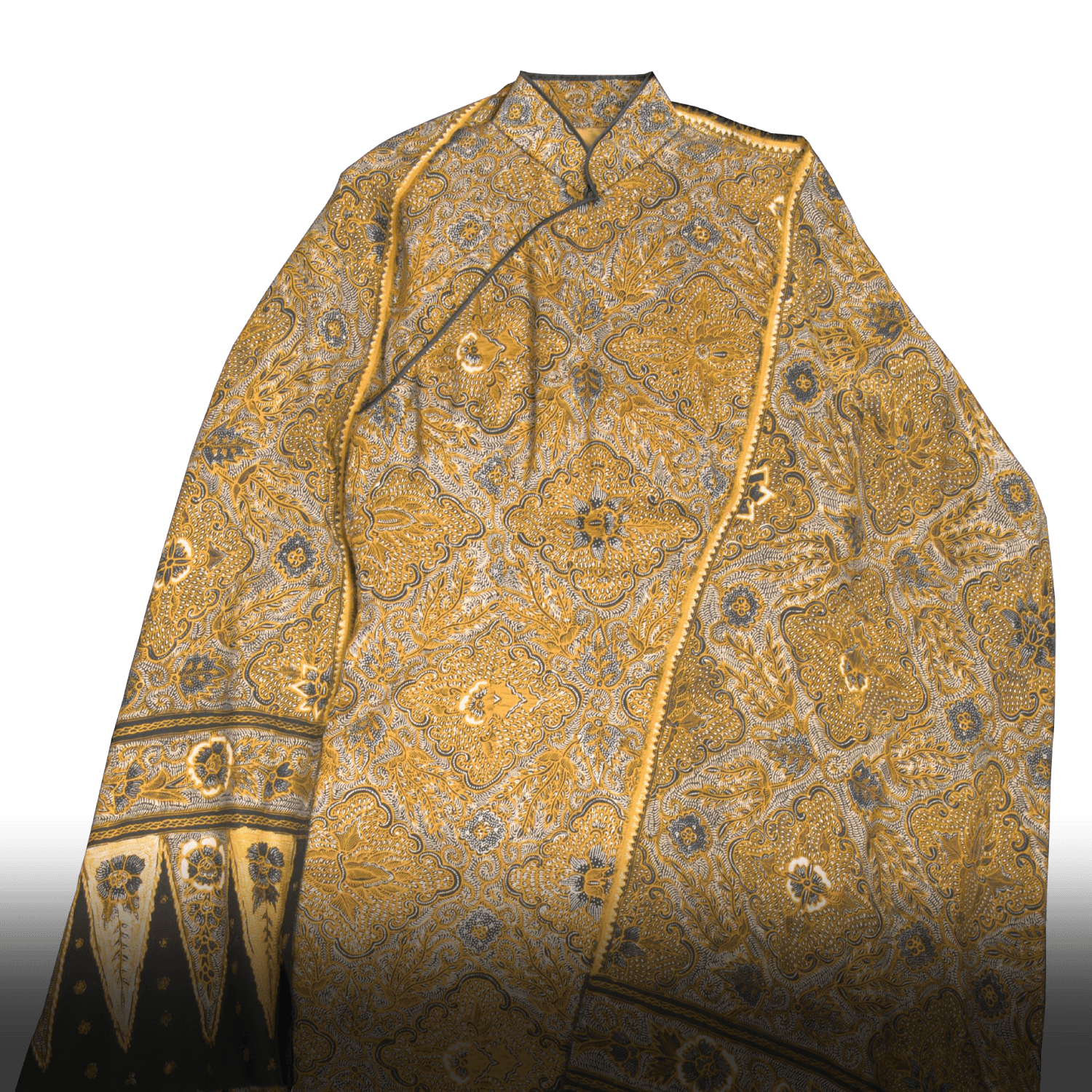
Materials and Design

Faith and Belief
Ancient Religion
Maritime Trade
Trade Gallery
Materials and Design
F1 Lightbox Widget Materialsdesign

Our First Location

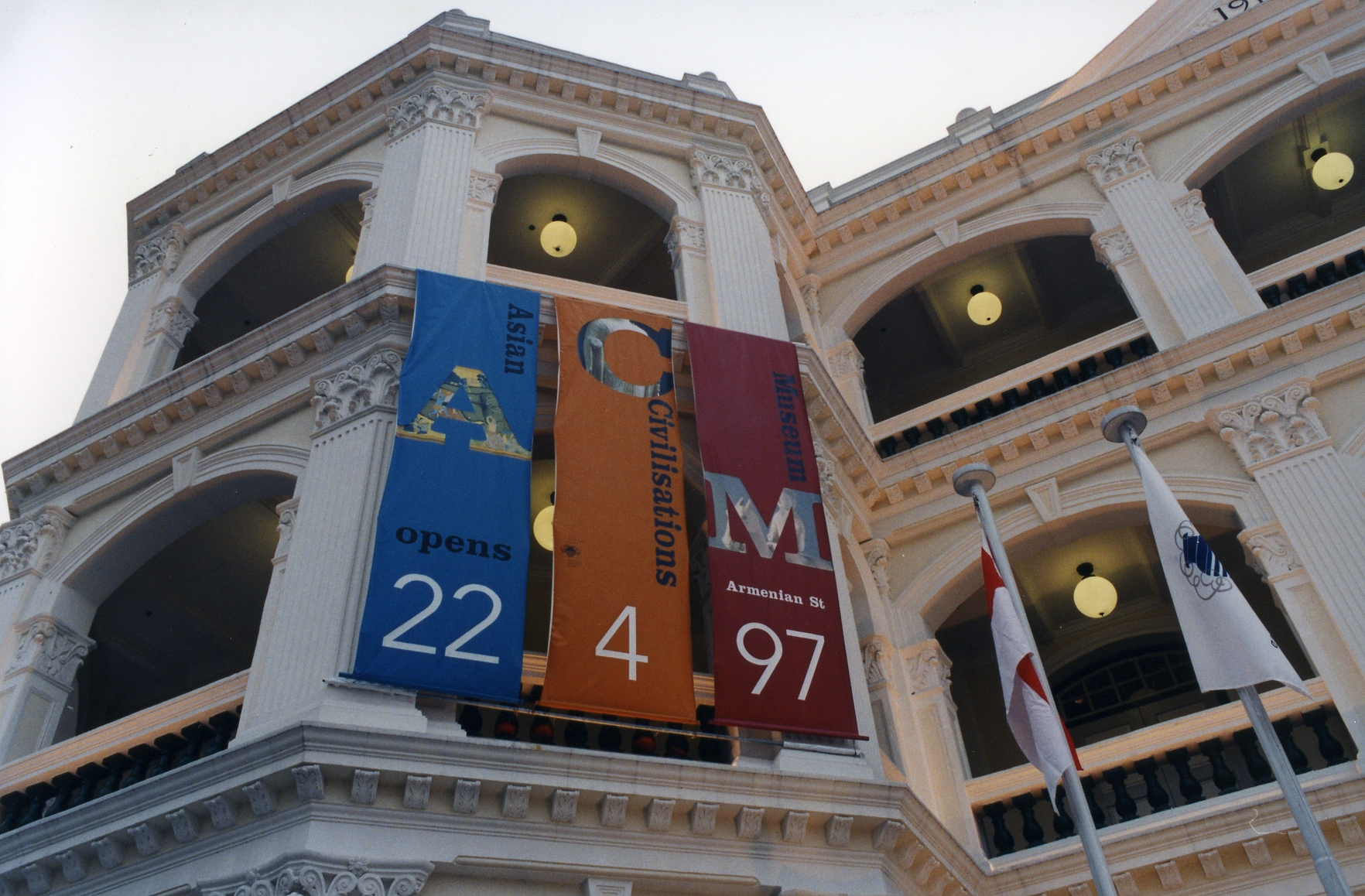
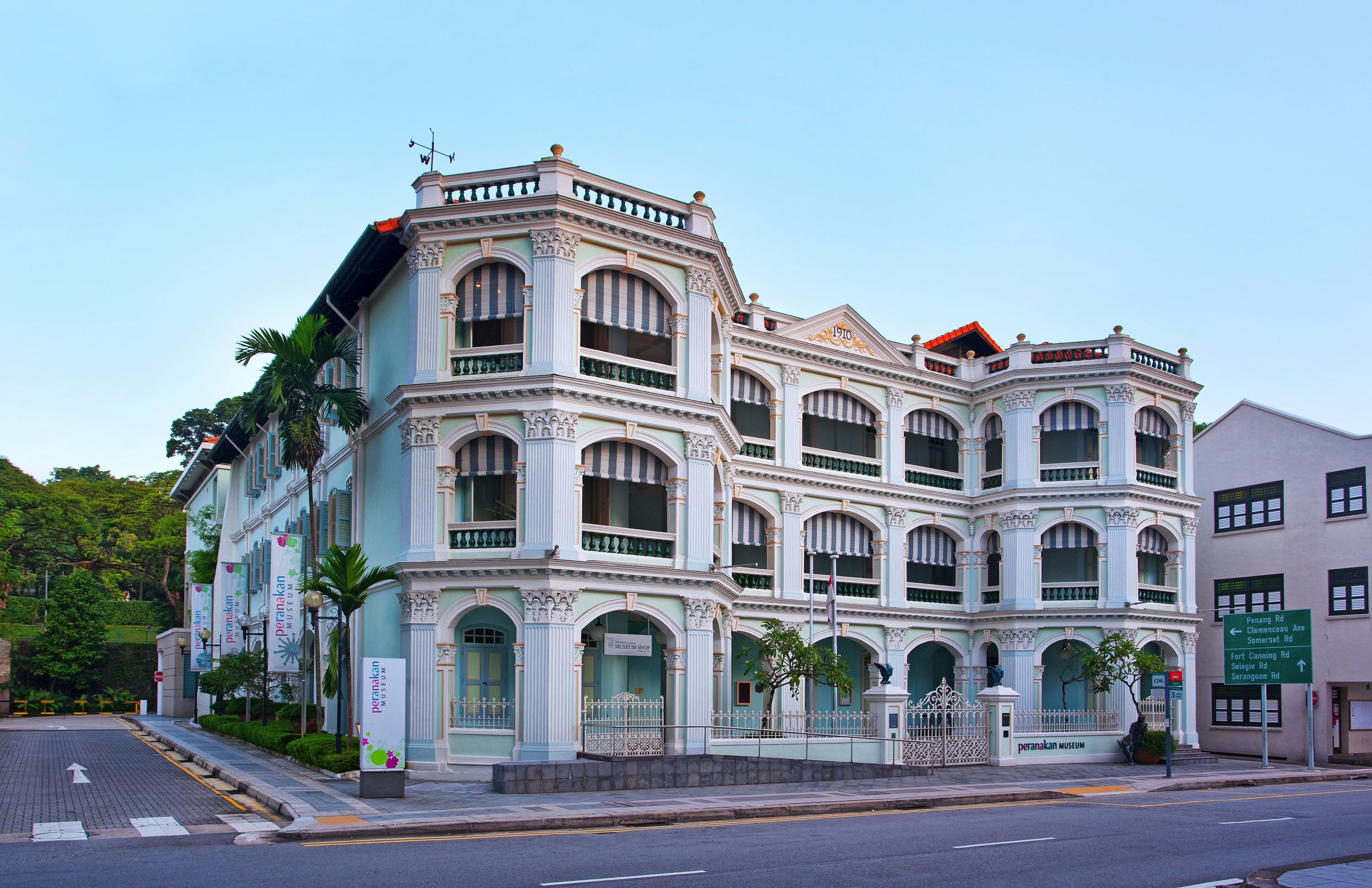
ACM opened in the former Tao Nan School Building on Armenian Street on 21 April 1997, with then Deputy PM Lee Hsien Loong presiding. The museum included 10 galleries, with thematic displays on China and space for special exhibitions. Later, a Peranakan display was added, after a special exhibition on the topic proved especially popular.

Acm at Armenian

The Armenian Street ACM building had closed at the end of 2005, and, because of the immense popularity of the Peranakan displays in the old ACM, was redeveloped into a brand new Peranakan Museum. On 25 April 2008, the Peranakan Museum was officially opened by Prime Minister Lee Hsien Loong. Operated and managed by the Asian Civilisations Museum, the Peranakan Museum explores the culture of hybrid communities in the former Straits Settlements of Singapore, Malacca, and Penang, and their links with other communities in Southeast Asia.

Peranakan Museum

New Spaces

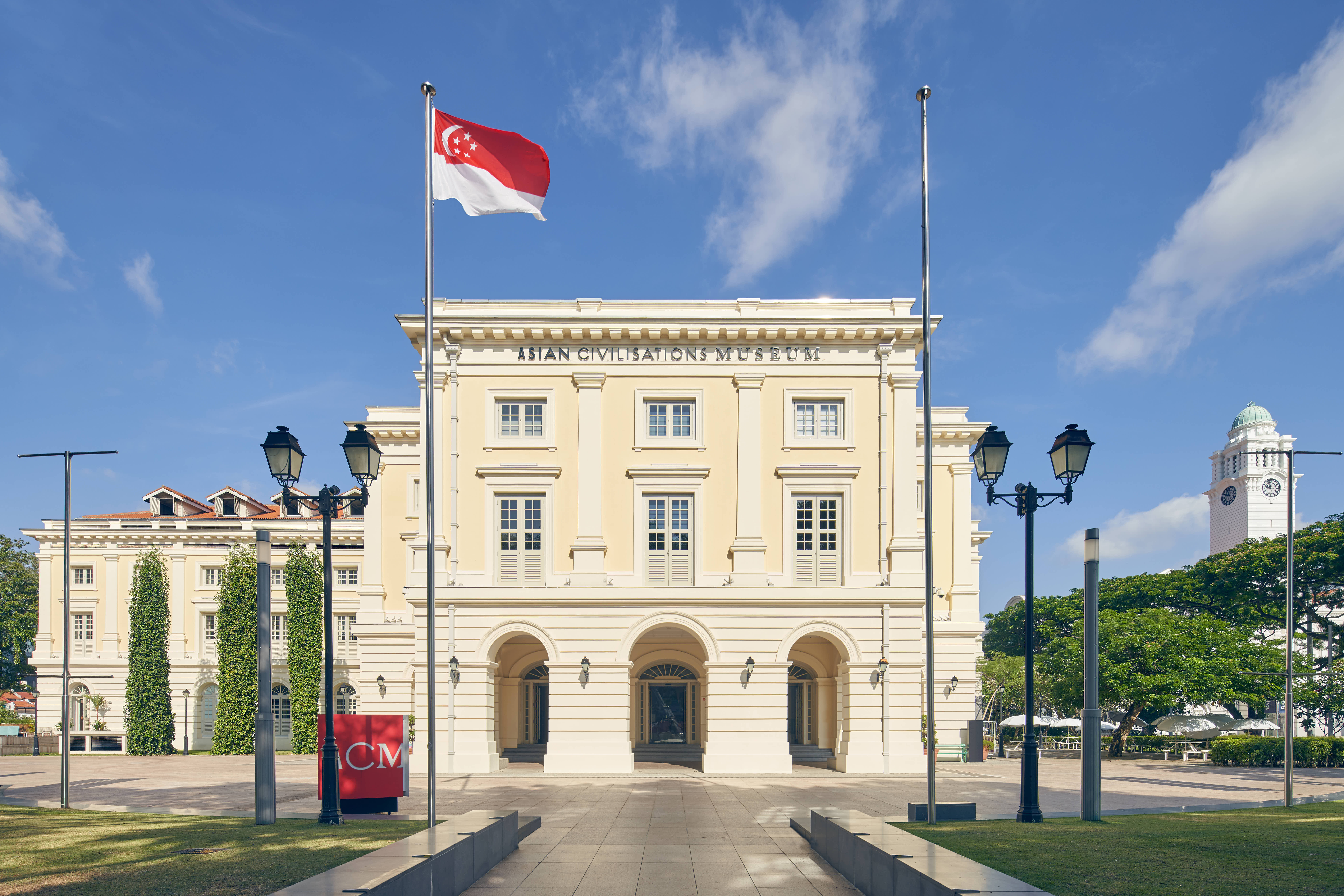
In 2003, the ACM moved into its current home — the historic Empress Place Building.

First completed in 1867, this neoclassical-style building along the Singapore River had seen several extensions built during the late 19th and early 20th centuries.

For more than a hundred years, the building housed colonial and, later, Singapore government offices — from customs to the legislative council, and until the 1980s, the Immigration Department.

Ac M03 00101

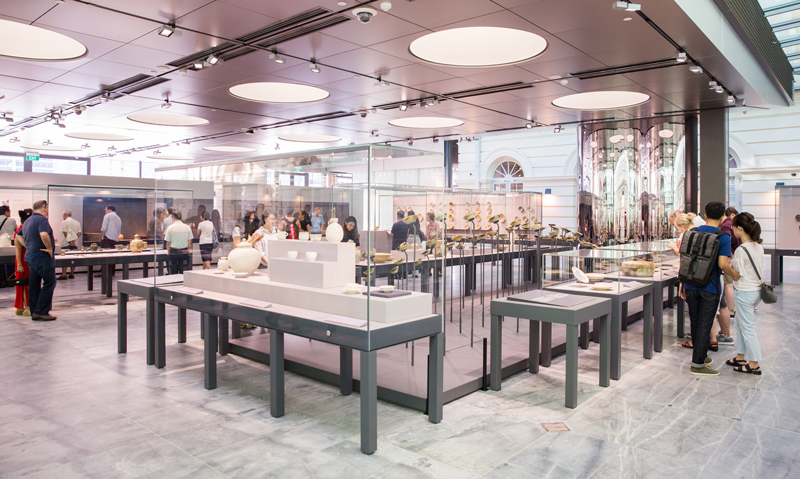
Renovations to design this second venue for the Asian Civilisations Museum had begun in 1997, even before the Armenian Street location opened. Conversion of the building into a state-of-the-art museum took 5 years.

Since 2003, ACM has transformed itself from an ethnographic museum presenting the history of Asian civilisations to an art museum displaying objects of beauty, which represent the best in craft and aesthetic traditions of cultures across Asia.

Tang Shipwreck Gallery 1

Revamp

In the third quarter of 2014, ACM embarked on a comprehensive renewal of the museum, which included new construction and reimagined gallery spaces to display objects in new ways. The expanded and refreshed galleries were designed to enhance visitor experience, and better share Singapore’s Asian heritage through highlighting historical connections between cultures.


Architecture and Design

Designed by GreenHilLi Pte Ltd, headed by architects Nigel Greenhill and Li Sau Kei, they bring light and space to the museum visitor experience, using warm-toned titanium and glass to create a look that contrasts yet complements the original neoclassical façade.

Kwek Hong Png Wing

The new three-storey Kwek Hong Png Wing (869 sqm) is a striking contemporary cube that floats on the Empress Place side of the museum. The wing was made possible by a generous donation from Hong Leong Foundation.