
Listen and Learn: Children's Audio Clips
Visit Asian Civilisations Museum today
Video
 A Singapore Government Agency Website
Government agencies communicate via .gov.sg websites (e.g. go.gov.sg/open). Trusted websites

Look for a lock ( ) or https:// as an added precaution. Share sensitive information only on official, secure websites.
Visit Asian Civilisations Museum today
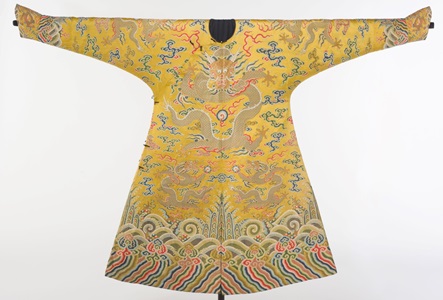
Listen to the story of how China’s four great rivers got their names.
Dragon Robe
China, Qing dynasty
Early 18th century
Brocaded silk satin, gold-wrapped threads
The Legend of the Four Dragons
A long, long time ago, before the rivers and all lakes on earth were created, there was only the Eastern Sea, which was home to four dragons: the Long Dragon, the Yellow Dragon, the Black Dragon, and the Pearl Dragon.
The dragons played in the sea and soared in the sky every day, looking down on the earth beneath them. One day, as they were twirling amongst the clouds, the dragons saw the people on earth kneeling, crying, and pleading for rain to arrive. They looked closer and realised that the land was cracked dry from drought. Crops were dying, and people were starving. The dragons were alarmed and knew that if rain did not arrive, people would suffer even more.
They planned to visit the Jade Emperor, who was the ruler of the skies and earth, to ask for rain. They flew up to the heavens to make their humble request, and the Jade Emperor, while listening to the fairies sing, half-heartedly agreed to send rain the next day.
“Thank you, your majesty!”
Pleased with the answer, the dragons went back to playing in the seas. But the next day, the rain did not arrive. Even after ten days, there was no sign of rain. The dragons then realised that the Jade Emperor had not kept his promise. Just then, Long Dragon had an idea to bring rain to the people. “It might make the Jade Emperor angry…”, Long Dragon cautioned.
“We’ll do whatever it takes to save the people and stop their suffering!” the other dragons cried.
Carrying out the plan, the four dragons opened their jaws wide and scooped up as much water as possible from the Eastern Sea, and then sprayed it onto the earth from a great height, causing the water to fall like rain.
“It’s raining! We can grow the crops again! We are saved!”
The people of earth danced in the rain and celebrated its arrival. However, news of the rain came to the Jade Emperor, who was furious with the dragons for taking matters into their own hands. Using his powers, he trapped the four dragons under four mountains. The kind dragons never regretted their decision to bring rain for the people, and broke free from the mountains as rivers, crossing the lands from the west to the east, merging into the sea. They became China’s four great rivers – Heilongjiang (Black Dragon), Huanghe (Yellow Dragon), Changjiang (Long Dragon), and Zhujiang (Pearl Dragon).
Listen to the story of how China’s four great rivers got their names.
Dragon Robe
China, Qing dynasty
Early 18th century
Brocaded silk satin, gold-wrapped threads
The Legend of the Four Dragons
A long, long time ago, before the rivers and all lakes on earth were created, there was only the Eastern Sea, which was home to four dragons: the Long Dragon, the Yellow Dragon, the Black Dragon, and the Pearl Dragon.
The dragons played in the sea and soared in the sky every day, looking down on the earth beneath them. One day, as they were twirling amongst the clouds, the dragons saw the people on earth kneeling, crying, and pleading for rain to arrive. They looked closer and realised that the land was cracked dry from drought. Crops were dying, and people were starving. The dragons were alarmed and knew that if rain did not arrive, people would suffer even more.
They planned to visit the Jade Emperor, who was the ruler of the skies and earth, to ask for rain. They flew up to the heavens to make their humble request, and the Jade Emperor, while listening to the fairies sing, half-heartedly agreed to send rain the next day.
“Thank you, your majesty!”
Pleased with the answer, the dragons went back to playing in the seas. But the next day, the rain did not arrive. Even after ten days, there was no sign of rain. The dragons then realised that the Jade Emperor had not kept his promise. Just then, Long Dragon had an idea to bring rain to the people. “It might make the Jade Emperor angry…”, Long Dragon cautioned.
“We’ll do whatever it takes to save the people and stop their suffering!” the other dragons cried.
Carrying out the plan, the four dragons opened their jaws wide and scooped up as much water as possible from the Eastern Sea, and then sprayed it onto the earth from a great height, causing the water to fall like rain.
“It’s raining! We can grow the crops again! We are saved!”
The people of earth danced in the rain and celebrated its arrival. However, news of the rain came to the Jade Emperor, who was furious with the dragons for taking matters into their own hands. Using his powers, he trapped the four dragons under four mountains. The kind dragons never regretted their decision to bring rain for the people, and broke free from the mountains as rivers, crossing the lands from the west to the east, merging into the sea. They became China’s four great rivers – Heilongjiang (Black Dragon), Huanghe (Yellow Dragon), Changjiang (Long Dragon), and Zhujiang (Pearl Dragon).
Explore this uniquely shaped incense burner from our Trade Gallery. For bonus activities, download our “Meet the Horse” activity card .
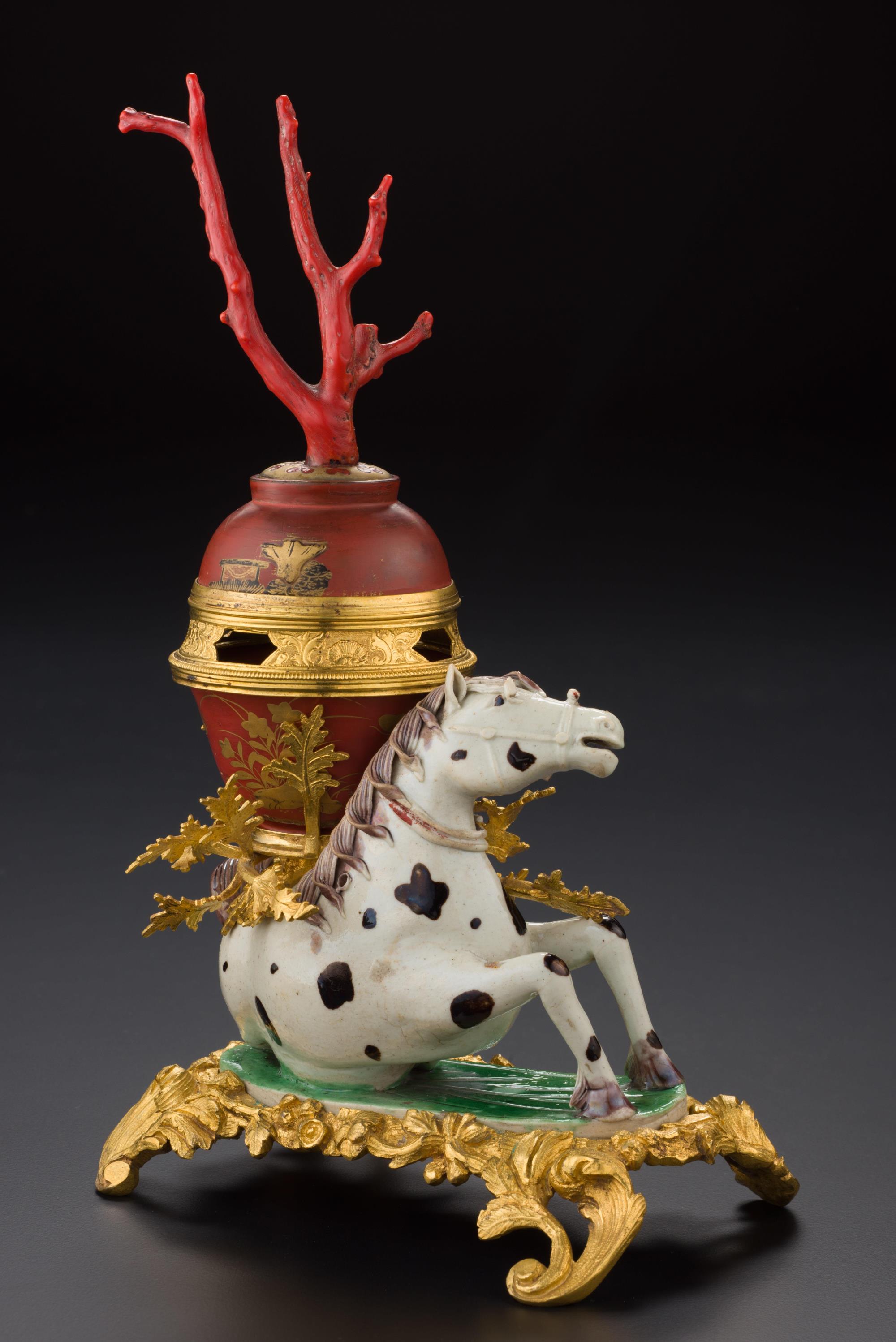
Mounted Incense Burner
(introductory music plays in the background)
What a curious piece of art! Which part catches your attention? Let's look closely at this unusual object, which is currently on display in the Maritime Trade Gallery of the museum.
A white horse with black spots is at the centre of this striking piece. What are some words you might use to describe this horse?
(sounds of galloping horse hooves)
Made of porcelain, this horse was produced in China a long time ago, during the reign of the Kangxi emperor. In Chinese art and culture, horses represent power, courage, and hard work.
An egg-shaped structure sits on top of the horse. If you look carefully, you might notice that it was formed by stacking two small bowls on top of each other, rim to rim. These bowls were made in Japan.
(sounds of lapping waves)
A red branch sticks out from the top. Believe it or not, this branch is made of coral! Coral typically grows in tropical oceans, and this piece may have come from either the South China Sea or other seas surrounding Southeast Asia. Have you seen coral before?
(sounds of hammering and metalworking)
The entire object was then put together with gilded bronze mounts made in France around 300 years ago.
So what we see now is a very special work of art, with parts made in different places around the world: a porcelain horse from China, lacquer bowls from Japan, red coral from the seas around Asia, and gilded mounts from France.
(sound of a matchstick being struck)
This special object was used to hold incense – something that is burned to produce a nice fragrant smell. Incense would have been placed within the red Japanese bowls and then lit. The scent would then drift out from the holes.
Do you have a favourite smell? Close your eyes and imagine the fragrance coming out of this incense burner. What would it smell like?
(Music slowly fades out)
Explore this uniquely shaped incense burner from our Trade Gallery. For bonus activities, download our “Meet the Horse” activity card .
Mounted Incense Burner
(introductory music plays in the background)
What a curious piece of art! Which part catches your attention? Let's look closely at this unusual object, which is currently on display in the Maritime Trade Gallery of the museum.
A white horse with black spots is at the centre of this striking piece. What are some words you might use to describe this horse?
(sounds of galloping horse hooves)
Made of porcelain, this horse was produced in China a long time ago, during the reign of the Kangxi emperor. In Chinese art and culture, horses represent power, courage, and hard work.
An egg-shaped structure sits on top of the horse. If you look carefully, you might notice that it was formed by stacking two small bowls on top of each other, rim to rim. These bowls were made in Japan.
(sounds of lapping waves)
A red branch sticks out from the top. Believe it or not, this branch is made of coral! Coral typically grows in tropical oceans, and this piece may have come from either the South China Sea or other seas surrounding Southeast Asia. Have you seen coral before?
(sounds of hammering and metalworking)
The entire object was then put together with gilded bronze mounts made in France around 300 years ago.
So what we see now is a very special work of art, with parts made in different places around the world: a porcelain horse from China, lacquer bowls from Japan, red coral from the seas around Asia, and gilded mounts from France.
(sound of a matchstick being struck)
This special object was used to hold incense – something that is burned to produce a nice fragrant smell. Incense would have been placed within the red Japanese bowls and then lit. The scent would then drift out from the holes.
Do you have a favourite smell? Close your eyes and imagine the fragrance coming out of this incense burner. What would it smell like?
(Music slowly fades out)
Learn more about this surprising ceramic cup with a fish resting at the bottom. For bonus activities, download our “Meet the Fish” activity card.
Stem Cup
(introductory music plays in the background)
Take a peek inside this cup…what creature from the sea can you spot?
(sounds of a fish splashing in water)
A small sculpture of a fish rests at the bottom of the cup. When the cup is filled with liquid, it would look like the fish is swimming, don’t you think?
This fun design was crafted by potters in Henan province, China, more than a thousand years ago. The Mandarin word for “fish”, 鱼, sounds like the word for “plenty” or “abundance”, 余, so that's why many Chinese people think of fish as lucky symbols of wealth and good fortune.
Do you also notice a tube on the side of the cup? This tube may look like the handle of the cup, but it actually serves the same purpose as a drinking straw!
(sound of a drinking straw in use)
The tube is connected to a hole at the bottom of the cup. But you can’t see the hole because it is cleverly hidden by the fish. There is some evidence that this might have been a nose-drinking cup. How do you think it would feel to drink liquid using your nose instead of your mouth?
(sound of waves lapping against the shore)
This cup is one of the many interesting objects found on a ship that wrecked off the coast of the Belitung Island in the Java Sea, about 600km south of Singapore. In 1998, fishermen discovered the shipwreck while diving for sea cucumbers. The shipwreck contained a treasure trove of beautiful objects produced in China during the Tang dynasty, of which this cup is just one example.
If you could choose an animal figure to decorate the bottom of this cup, which animal would you pick?
Take a walk around our Tang Shipwreck gallery and look at the other objects found on board the ship. See if you can spot other animal-inspired decorations on them!
(music slowly fades out)
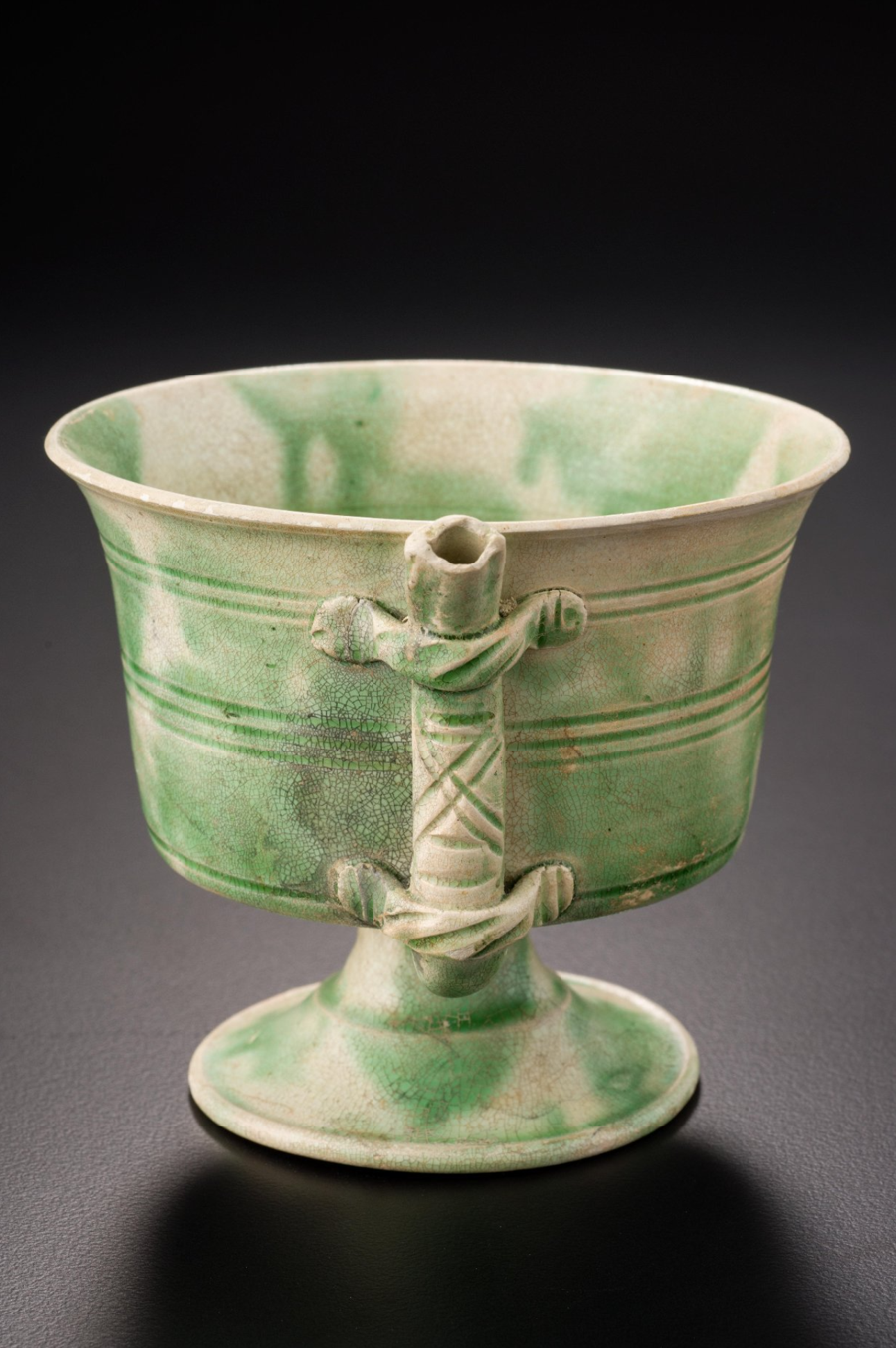
Learn more about this surprising ceramic cup with a fish resting at the bottom. For bonus activities, download our “Meet the Fish” activity card.
Stem Cup
(introductory music plays in the background)
Take a peek inside this cup…what creature from the sea can you spot?
(sounds of a fish splashing in water)
A small sculpture of a fish rests at the bottom of the cup. When the cup is filled with liquid, it would look like the fish is swimming, don’t you think?
This fun design was crafted by potters in Henan province, China, more than a thousand years ago. The Mandarin word for “fish”, 鱼, sounds like the word for “plenty” or “abundance”, 余, so that's why many Chinese people think of fish as lucky symbols of wealth and good fortune.
Do you also notice a tube on the side of the cup? This tube may look like the handle of the cup, but it actually serves the same purpose as a drinking straw!
(sound of a drinking straw in use)
The tube is connected to a hole at the bottom of the cup. But you can’t see the hole because it is cleverly hidden by the fish. There is some evidence that this might have been a nose-drinking cup. How do you think it would feel to drink liquid using your nose instead of your mouth?
(sound of waves lapping against the shore)
This cup is one of the many interesting objects found on a ship that wrecked off the coast of the Belitung Island in the Java Sea, about 600km south of Singapore. In 1998, fishermen discovered the shipwreck while diving for sea cucumbers. The shipwreck contained a treasure trove of beautiful objects produced in China during the Tang dynasty, of which this cup is just one example.
If you could choose an animal figure to decorate the bottom of this cup, which animal would you pick?
Take a walk around our Tang Shipwreck gallery and look at the other objects found on board the ship. See if you can spot other animal-inspired decorations on them!
(music slowly fades out)
Learn more about this adorable ceramic piece with two monkeys.
Monkey Group
(Upbeat music plays in the background)
Let's have a look at an adorable ceramic piece with two monkeys. You'll find it in the Maritime Trade Gallery on Level 1. Walk out of the lobby, and through the Museum Label gift shop. Keep going until you enter a large room. The piece is in one of the display cases on the left side of the central section of the gallery.
The artist has shaped clay into two monkeys: a brown adult with a small grey youngster perched on its shoulders. At about 26 centimetres tall, you could cover it completely behind an A4 sheet of paper.
Notice the fine lines on the bodies of both monkeys. Do they remind you of fur? It helps to make them look more realistic, right? The potter created this effect in two ways. A scraping tool was used to make shallow grooves over all the surface to represent fur. Then, coloured glaze was brushed over those areas, but roughly and unevenly. Probably a stiff brush was used, maybe the same one for both the scraping and the applying of the glaze.
Look closely at the monkey's belly. Notice how it's a lighter colour? If you have pets at home, you might notice that they have lighter fur on their bellies, too! The faces and paws are painted with a lighter colour also.
Because these Chinese animal ceramics look so real, they became popular objects for export. Europeans were keen to get their hands on delightful porcelain sculptures like this one. Over 250 years ago, when this porcelain monkey group was made, Chinese ceramicists were some of the best in the world!
If you were to make a sculpture of your pet or favourite animal, what materials and colours would you use, and why?
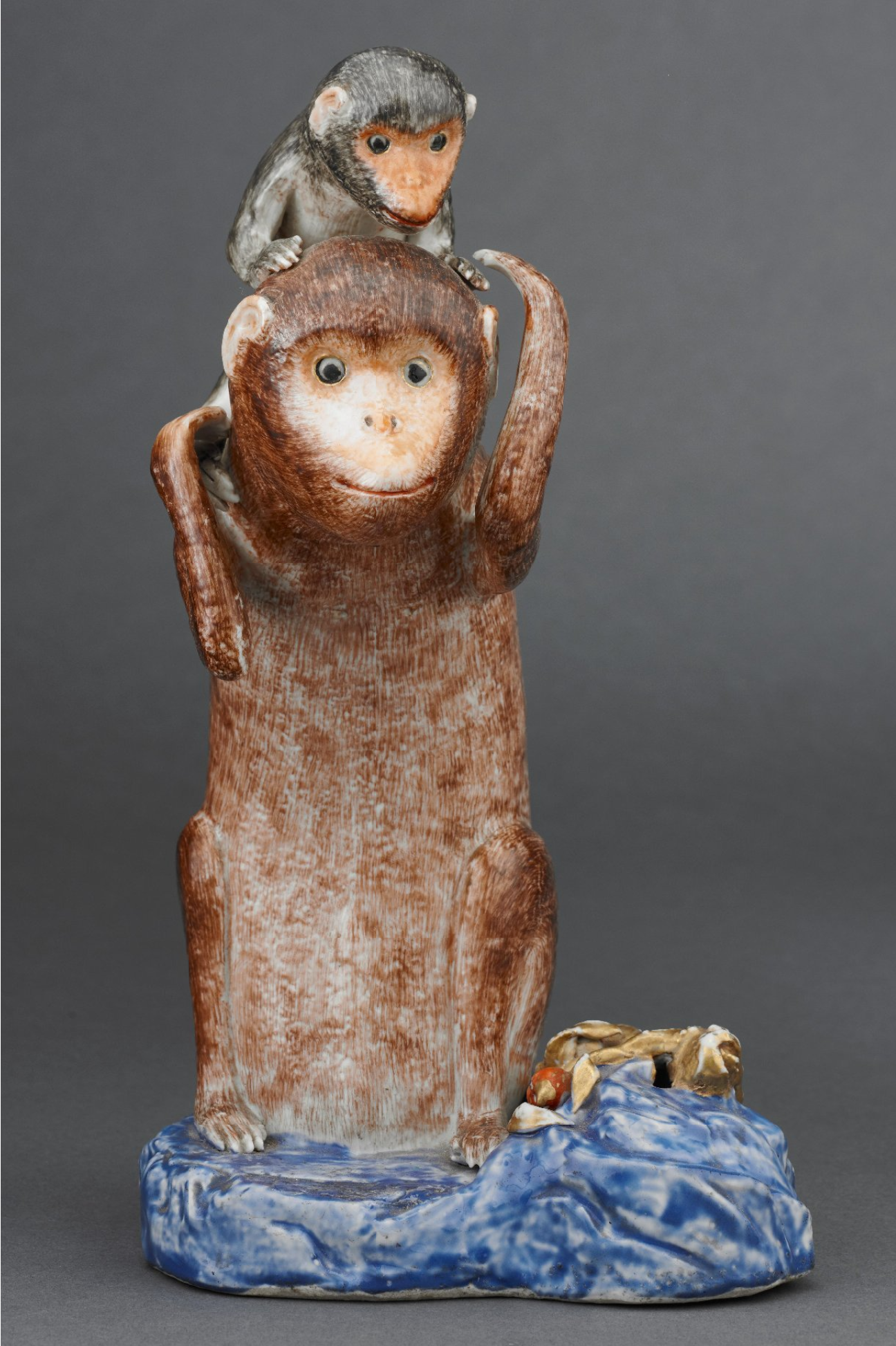
Learn more about this adorable ceramic piece with two monkeys.
Monkey Group
(Upbeat music plays in the background)
Let's have a look at an adorable ceramic piece with two monkeys. You'll find it in the Maritime Trade Gallery on Level 1. Walk out of the lobby, and through the Museum Label gift shop. Keep going until you enter a large room. The piece is in one of the display cases on the left side of the central section of the gallery.
The artist has shaped clay into two monkeys: a brown adult with a small grey youngster perched on its shoulders. At about 26 centimetres tall, you could cover it completely behind an A4 sheet of paper.
Notice the fine lines on the bodies of both monkeys. Do they remind you of fur? It helps to make them look more realistic, right? The potter created this effect in two ways. A scraping tool was used to make shallow grooves over all the surface to represent fur. Then, coloured glaze was brushed over those areas, but roughly and unevenly. Probably a stiff brush was used, maybe the same one for both the scraping and the applying of the glaze.
Look closely at the monkey's belly. Notice how it's a lighter colour? If you have pets at home, you might notice that they have lighter fur on their bellies, too! The faces and paws are painted with a lighter colour also.
Because these Chinese animal ceramics look so real, they became popular objects for export. Europeans were keen to get their hands on delightful porcelain sculptures like this one. Over 250 years ago, when this porcelain monkey group was made, Chinese ceramicists were some of the best in the world!
If you were to make a sculpture of your pet or favourite animal, what materials and colours would you use, and why?
Download the storytelling audio clips and related activity cards below!
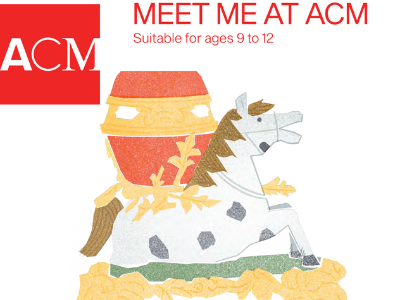
A "Meet Me at ACM" activity card about the Mounted Incense Burner in the Trade Gallery. Suitable for ages 9 to 12.
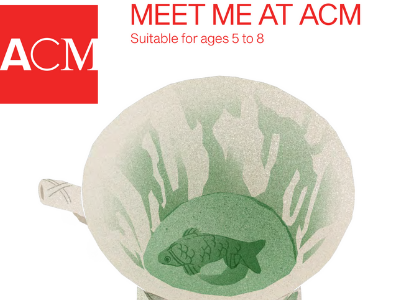
Find out why fish are a symbol of wealth in some cultures. A "Meet Me at ACM" activity based on the Stem Cup in the Tang Shipwreck gallery. Suitable for ages 5-8.
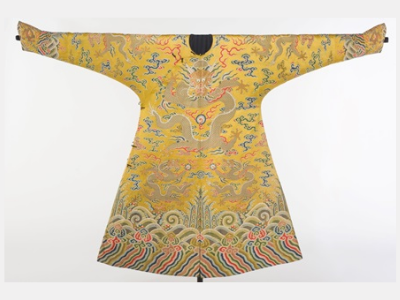
Listen to the story of how China's four great rivers got their names in this storytelling audio clip.