) or https:// as an added precaution. Share sensitive information only on official, secure websites.
International Conference
At the Crossroads
Dunhuang and its Global Connections
Tickets : $20 (single-day) | $50 (three-days)
This three-day conference brings together over 40 leading scholars from around the world to explore Dunhuang and the Mogao Caves as a crossroads of artistic, religious, and cultural exchange. Drawing on art history, archaeology, conservation science, curatorial practice, and other disciplines, speakers will offer new perspectives on Dunhuang’s connections with the wider world.
Day 1 (Friday, 8 January)
OPENING KEYNOTE
The Devil is in the Detail: Character, Cosmopolitanism, and Conservation in
the Mogao Cave Temples
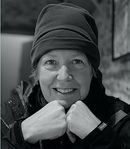
Susan Whitfield
Professor in Silk Road Studies, Sainsbury Institute for the Study of Japanese Arts and Culture, University of East Anglia
PANELS
1: Circulations and Transformations on the Silk Roads
This panel traces talismans, travelling monks, sacred architecture, and textiles across the Silk Roads. It shows Dunhuang as a vital node in a connected world.
2: Dunhuang and Beyond: Contextualising Buddhist Cave Temples
Exploring the Mogao Caves alongside other grottoes including Kucha, Turfan, and Maijishan, this panel examines the practices and traditions that shaped the visual and spatial worlds of Silk Road Buddhism.
3: Conserving the Caves
Conservation scientists and specialists present case studies on protecting the Dunhuang caves, from in-depth object studies and material analysis to risk monitoring systems.
Day 2 (Saturday, 9 January)
PANELS
4: Ritual and Worship
Scholars draw on manuscripts, murals, and ritual texts to examine the lived religious practices of Buddhist communities in Dunhuang and beyond.
5: Multicultural Dunhuang
This panel explores the diverse peoples and religious traditions of Dunhuang, examining subjects ranging from Khotanese art in the caves to Tibetan ritual texts and Chinese Christian writings.
6: Text, Image, and Practice
How did Buddhist texts, images, and religious practices shape one another? This panel explores how teachings were transmitted, adapted, and expressed through different forms.
ROUNDTABLE
Global Curating of the Silk Roads
Curators from institutions around the world discuss how they present the Silk Roads to audiences today.
Day 3 (Sunday, 10 January)
PANELS
7: Intermedial and Intercultural Patterns
The art of Dunhuang reflects centuries of encounter and exchange. Speakers explore its connections to southern Chinese sericulture paintings, nomadic horse covers, and symbols of Iranian and Central Asian kingship.
8: Archiving Dunhuang
This panel explores how photography, publishing, and digital technologies are changing the way we access, interpret, and reimagine Dunhuang.
9:Dunhuang in the 20th Century: Artists and National Identity
The upheavals of the 20th century and the “rediscovery” of the Mogao Caves brought new attention to Dunhuang. They inspired generations of artists and prompted fresh reflections on shared heritage and identity.
CLOSING KEYNOTE
Religious and Social Diversity in Early Dunhuang Manuscripts
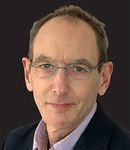
Stephen Teiser
D. T. Suzuki Professor in Buddhist Studies and
Professor of Religion, Emeritus, Princeton University
The full programme, including speaker lineups and session details, will be updated as details are confirmed.
Tickets include lunch and morning/afternoon tea.
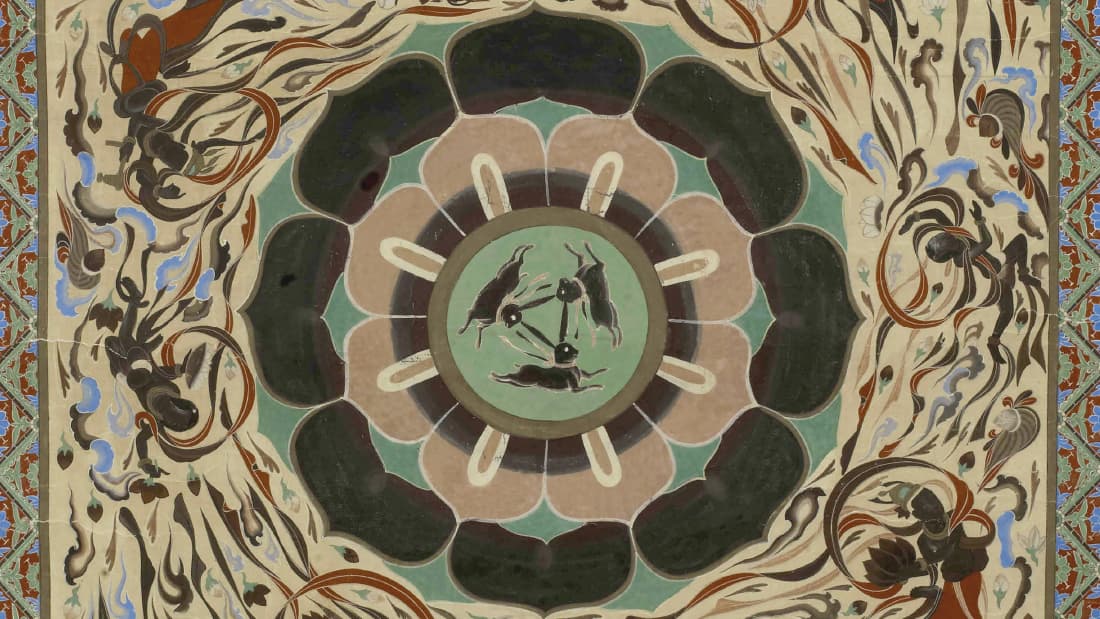
Image: Ceiling with three hares三兔飞天藻井, Cave 407, Sui dynasty (581–618). Duan Wenjie and Li Fu, 1954, Pigment on paper. L01992
The museum reserves the right to make changes and modifications to the programme without prior notice. The views and opinions expressed by speakers do not represent the position of the Asian Civilisations Museum.
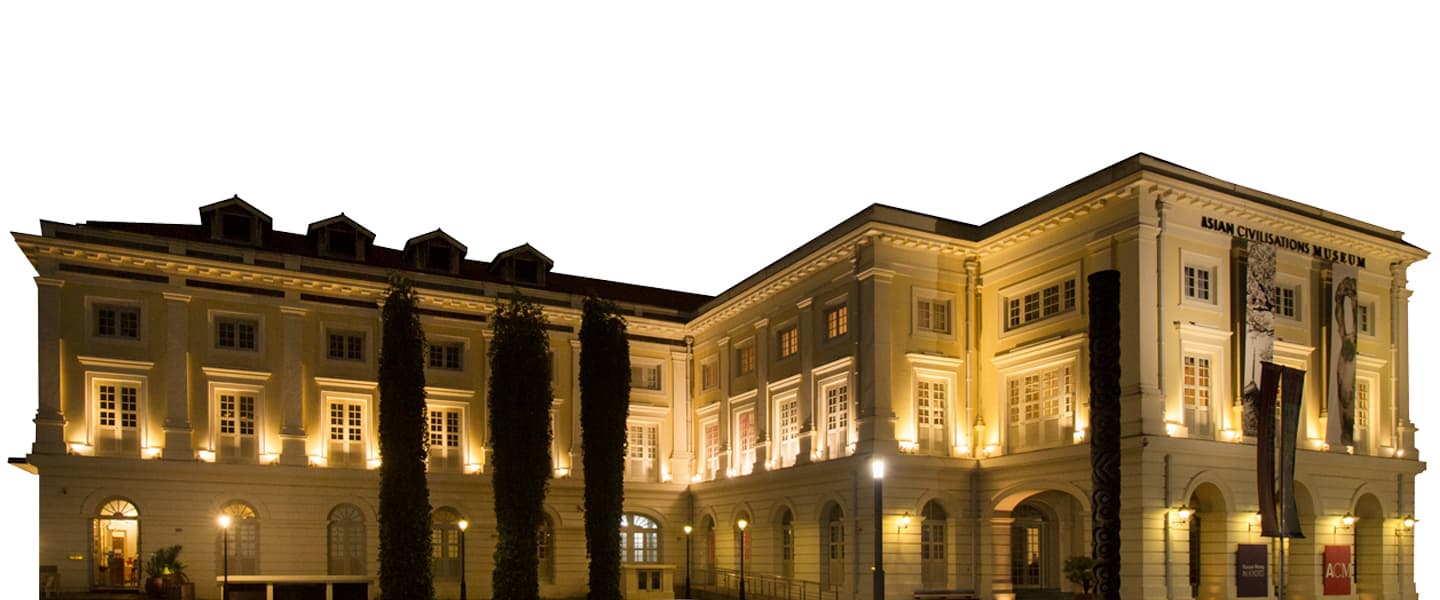
Ngee Ann Auditorium, Asian Civilisations Museum
Ngee Ann Auditorium, Asian Civilisations Museum
International Conference
At the Crossroads
Dunhuang and its Global Connections
Tickets : $20 (single-day) | $50 (three-days)
This three-day conference brings together over 40 leading scholars from around the world to explore Dunhuang and the Mogao Caves as a crossroads of artistic, religious, and cultural exchange. Drawing on art history, archaeology, conservation science, curatorial practice, and other disciplines, speakers will offer new perspectives on Dunhuang’s connections with the wider world.
Day 1 (Friday, 8 January)
OPENING KEYNOTE
The Devil is in the Detail: Character, Cosmopolitanism, and Conservation in
the Mogao Cave Temples
Susan Whitfield
Professor in Silk Road Studies, Sainsbury Institute for the Study of Japanese Arts and Culture, University of East Anglia
PANELS
1: Circulations and Transformations on the Silk Roads
This panel traces talismans, travelling monks, sacred architecture, and textiles across the Silk Roads. It shows Dunhuang as a vital node in a connected world.
2: Dunhuang and Beyond: Contextualising Buddhist Cave Temples
Exploring the Mogao Caves alongside other grottoes including Kucha, Turfan, and Maijishan, this panel examines the practices and traditions that shaped the visual and spatial worlds of Silk Road Buddhism.
3: Conserving the Caves
Conservation scientists and specialists present case studies on protecting the Dunhuang caves, from in-depth object studies and material analysis to risk monitoring systems.
Day 2 (Saturday, 9 January)
PANELS
4: Ritual and Worship
Scholars draw on manuscripts, murals, and ritual texts to examine the lived religious practices of Buddhist communities in Dunhuang and beyond.
5: Multicultural Dunhuang
This panel explores the diverse peoples and religious traditions of Dunhuang, examining subjects ranging from Khotanese art in the caves to Tibetan ritual texts and Chinese Christian writings.
6: Text, Image, and Practice
How did Buddhist texts, images, and religious practices shape one another? This panel explores how teachings were transmitted, adapted, and expressed through different forms.
ROUNDTABLE
Global Curating of the Silk Roads
Curators from institutions around the world discuss how they present the Silk Roads to audiences today.
Day 3 (Sunday, 10 January)
PANELS
7: Intermedial and Intercultural Patterns
The art of Dunhuang reflects centuries of encounter and exchange. Speakers explore its connections to southern Chinese sericulture paintings, nomadic horse covers, and symbols of Iranian and Central Asian kingship.
8: Archiving Dunhuang
This panel explores how photography, publishing, and digital technologies are changing the way we access, interpret, and reimagine Dunhuang.
9:Dunhuang in the 20th Century: Artists and National Identity
The upheavals of the 20th century and the “rediscovery” of the Mogao Caves brought new attention to Dunhuang. They inspired generations of artists and prompted fresh reflections on shared heritage and identity.
CLOSING KEYNOTE
Religious and Social Diversity in Early Dunhuang Manuscripts
Stephen Teiser
D. T. Suzuki Professor in Buddhist Studies and
Professor of Religion, Emeritus, Princeton University
The full programme, including speaker lineups and session details, will be updated as details are confirmed.
Tickets include lunch and morning/afternoon tea.
Image: Ceiling with three hares三兔飞天藻井, Cave 407, Sui dynasty (581–618). Duan Wenjie and Li Fu, 1954, Pigment on paper. L01992
The museum reserves the right to make changes and modifications to the programme without prior notice. The views and opinions expressed by speakers do not represent the position of the Asian Civilisations Museum.
Visit Asian Civilisations Museum today